
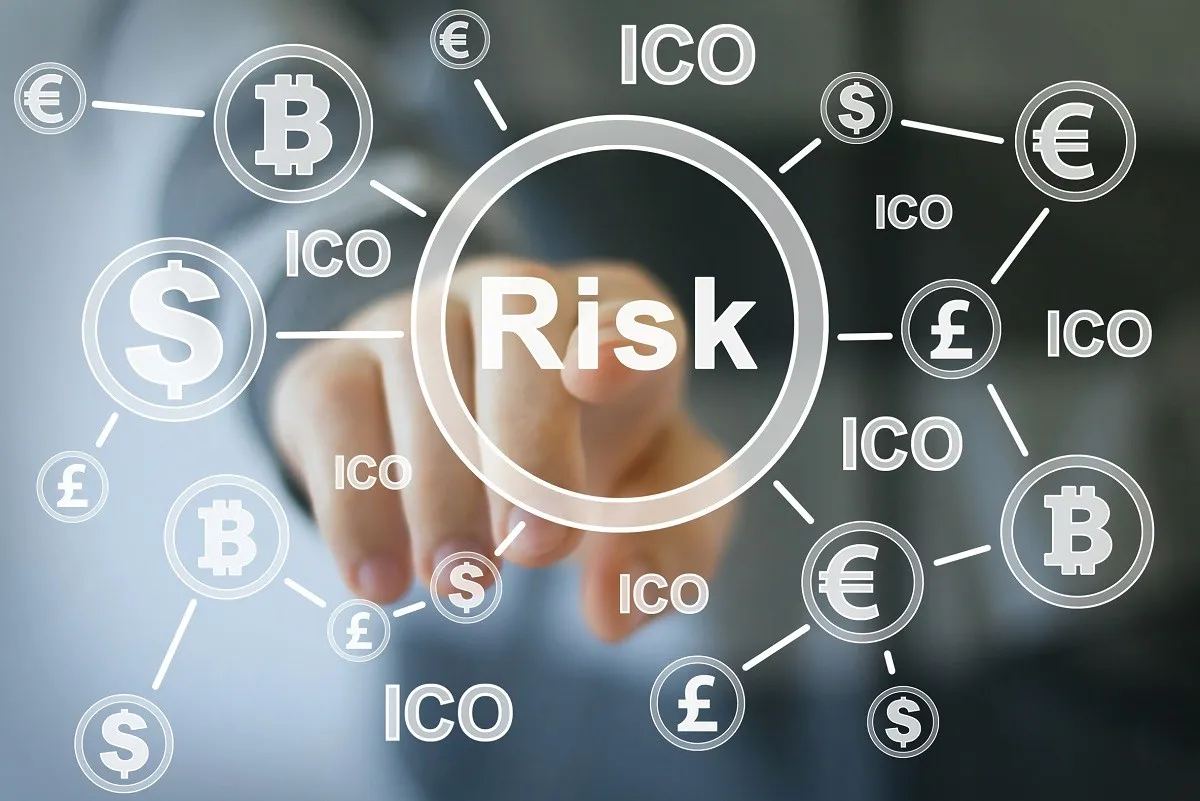
In an ever-changing financial world, cryptocurrencies have become a vital part of investment strategies. This article explores latest news, secure trading methods, market insights, and global trends to help you stay ahead.
Key sections of this guide
- Crypto news: Stay informed with market updates.
- Secure trading: Protect your digital investments.
- Market insights: Understand trends and price behavior.
- Global trends: Discover emerging opportunities.
The digital revolution has placed cryptocurrencies at the center of global finance. This guide explores news, crypto trading safety, crypto market insights, and global trends to help both beginners and professionals succeed in crypto crypto trading.
Topics featured in this guide
- Crypto news: Follow important updates.
- Trading safety: Learn how to avoid common risks.
- Market insights: Analyze current trends.
- Global trends: Discover innovations worldwide.
Bitcoin, the world’s first distributed digital currency, has captivated investors, technologists, and policymakers since its inception in 2009.



With its meteoric value surges and dramatic corrections, Bitcoin has become a symbol of both opportunity and danger. As of July 2026, its crypto market capitalization exceeds $1 trillion, and it is increasingly integrated into mainstream finance.
However, the question remains: Is Bitcoin a safe digital asset investment? This article examines the risks, rewards, and factors influencing Bitcoin’s safety as an digital asset investment, offering a balanced perspective for potential investors.
Understanding Bitcoin’s Appeal
Bitcoin’s allure lies in its unique characteristics. Unlike traditional currencies, it operates on a distributed distributed ledger, free from government or bank control.

Its fixed supply of 21 million coins, enforced by its system rule, creates scarcity, positioning it as a potential protection move against price rise. Institutional usage growth—by companies like MicroStrategy, Tesla, and Bitcoin crypto trading platform-traded funds (ETFs)—has bolstered its legitimacy, attracting both individual level and corporate level investors.
Bitcoin’s historical returns are staggering. From a value of less than $1 in 2010 to peaks above $60,000 in 2023 and 2024, early investors reaped enormous gains.
Its role as “digital gold” and its growing use in regions with unstable currencies further enhance its appeal. However, high rewards come with high risks, and understanding these is crucial for assessing its safety.
Risks of Investing in Bitcoin
1. Price Volatility
Bitcoin’s value is notoriously volatile. For example, it surged to nearly $69,000 in November 2021, only to market fall below $17,000 by late 2022. As of July 2026, prices fluctuate between $50,000 and $80,000, driven by crypto market market feeling, macroeconomic factors, and regulatory news. This fluctuation can lead to significant losses, especially for short-term investors or those unprepared for sudden drops.
2. Regulatory Uncertainty
Governments worldwide have adopted varied stances on Bitcoin. While countries like El Salvador embraced it as legal tender in 2021, others, such as China, have imposed strict bans. Regulatory crackdowns, tax policies, or anti-money laundering measures could restrict Bitcoin’s use or depress its value. In 2026, ongoing debates about digital currency law rule in major economies like the U.S. and EU add uncertainty, potentially impacting money fund holder confidence.
3. Security Risks
Bitcoin’s distributed nature makes it secure in theory, but the network system is vulnerable. crypto trading platform hacks, such as the 2014 Mt. Gox collapse, which lost 850,000 Bitcoin, and fraud attempt scams have cost investors billions. While secure storage solutions like hardware wallets mitigate risks, human error—such as losing private keys—can result in permanent deficit of funds. In 2026, cybersecurity remains a critical concern, especially for novice investors.
4. Environmental and Ethical Concerns
Bitcoin’s proof-of-work (PoW) validation consumes significant energy, raising environmental concerns. Critics argue that its carbon footprint, driven by energy-intensive validation operations, undermines its appeal. Although initiatives like renewable energy validation are gaining traction, negative perceptions could deter socially conscious investors or prompt regulatory restrictions.
5. Market Manipulation
Bitcoin’s relatively small crypto market compared to traditional assets makes it susceptible to manipulation. “Whale” investors with large holdings can influence prices, and pump-and-dump schemes have been documented. Lack of controlled oversight means crypto market irregularities are harder to police, posing risks for individual level investors.
6. Competition and Obsolescence
Bitcoin faces competition from thousands of cryptocurrencies, such as ETH, Solana, and stablecoins, which offer different functionalities. Technological advancements or the rise of central bank digital currencies (CBDCs) could challenge Bitcoin’s market control. While its first-mover advantage and chain system effect are strong, the danger of obsolescence cannot be ignored.
Factors Supporting Bitcoin’s Safety
1. Decentralization and Security
Bitcoin’s distributed ledger is one of the most secure networks globally, with no successful attacks on its core system rule since 2009. Its distributed structure reduces reliance on single points of failure, unlike traditional financial systems. The chain system’s protection strengthens as more miners join, making it increasingly resilient.
2. Institutional Backing
The entry of corporate level investors has enhanced Bitcoin’s credibility. Companies like BlackRock and Fidelity offer Bitcoin ETFs, providing regulated exposure. Corporate treasuries holding Bitcoin signal long-term confidence, potentially stabilizing prices. As of 2026, corporate level allocations continue to grow, reducing perceptions of Bitcoin as a speculative gamble.
3. Scarcity and Halving Events
Bitcoin’s capped supply and periodic earnings cut events (e.g., 2020, 2024) reduce the issuance of new coins, reinforcing its scarcity. This deflationary model appeals to investors seeking protection against fiat currency devaluation, especially in inflationary environments. Historical data shows value increases following halvings, though past performance is not a guaranteed predictor.
4. Growing Adoption
Bitcoin’s use cases are expanding. It is accepted by merchants, integrated into payment systems like PayPal, and used for remittances in developing economies. The Lightning Network, a second-layer solution, improves transfer processing speed and cost, enhancing its usage value. Adoption trends suggest Bitcoin is transitioning from a speculative digital asset to a practical financial tool.
5. Community and Resilience
Bitcoin’s global community of developers, miners, and advocates ensures its ongoing development and resilience. Despite bear markets, hacks, and bans, Bitcoin has survived for over 15 years, outlasting many competitors. Its open-source nature allows continuous improvements, such as Taproot (2021), which enhanced privacy and efficiency.
Strategies for Safer Bitcoin Investment
To mitigate risks, investors can adopt prudent strategies:
-
Diversification: Allocate only a small portion of a digital asset portfolio to Bitcoin (e.g., 1–5%) to limit exposure to fluctuation.
-
Secure Storage: Use hardware wallets or reputable custodians to protect funds from hacks or deficit.
-
Long-Term Perspective: Adopt a “hold” plan to weather short-term fluctuation, as Bitcoin’s value has historically trended upward over time.
-
Research and Education: Understand Bitcoin’s technology, crypto market dynamics, and risks before investing.
-
Stay Informed: Monitor regulatory developments and crypto market trends to anticipate potential impacts.
Bitcoin in 2026: A Balanced View
As of July 2026, Bitcoin is neither a guaranteed safe haven nor a reckless gamble. Its value stability has improved compared to earlier years, but fluctuation persists. Institutional usage growth and technological advancements bolster its case, yet regulatory, protection, and environmental challenges remain.
For danger-tolerant investors with a long-term horizon, Bitcoin offers significant potential, particularly as a protection move against price rise or currency instability. However, those seeking stability or quick profits may find it unsuitable.
Comparison to Traditional Investments
Compared to stocks, bonds, or gold, Bitcoin is riskier due to its fluctuation and regulatory uncertainty. However, its uncorrelated returns make it a valuable diversifier. Unlike gold, Bitcoin is easily transferable and divisible, but it lacks the physical tangibility of traditional assets. Bonds offer predictable returns but are exposed to interest rate risks, while Bitcoin’s returns are less predictable but potentially higher.
Expert Opinions
Financial experts are divided. Proponents like Cathie Wood of ARK Invest argue Bitcoin could reach $1 million by 2030, citing its scarcity and usage growth. Critics like Warren Buffett dismiss it as “rat poison squared,” emphasizing its lack of intrinsic value. The truth likely lies in between: Bitcoin’s value depends on continued usage growth, technological stability, and regulatory clarity.





Reliable source for daily crypto news and analysis.
Reliable and consistent updates every day.
Do you have recommendations for the best crypto exchanges for beginners?
I tried the strategy mentioned in this guide and it seems to work well so far.
Could you make a detailed guide about reading candlestick charts?
I would love to see more content about DeFi projects.