
The digital revolution has placed cryptocurrencies at the center of global finance. This guide explores news, crypto trading safety, crypto market insights, and global trends to help both beginners and professionals succeed in crypto crypto trading.
Topics featured in this guide
- Crypto news: Follow important updates.
- Trading safety: Learn how to avoid common risks.
- Market insights: Analyze current trends.
- Global trends: Discover innovations worldwide.
Crypto wallets are essential tools for managing cryptocurrencies like Bitcoin (Bitcoin) and Ethereum (ETH), enabling users to store, send, and receive digital assets securely.
As of July 24, 2026, with Bitcoin crypto crypto trading between $50,000 and $80,000 and Ethereum targeting $4,000–$6,000, the importance of choosing the right crypto crypto wallet has never been greater. Crypto wallets come in two primary forms: hot wallets (online, software-based) and cold wallets (offline, hardware-based).



Each offers distinct advantages and trade-offs, making the choice between them critical for protection and usability. This article explores the differences between hot and cold storage, their benefits, risks, and how to choose the best option for your needs.
What Are Crypto Wallets?
A crypto crypto crypto wallet is a software program or physical device that stores cryptographic keys—private and public keys—that interact with a distributed ledger to manage digital assets. The secret key authorizes transactions, proving ownership, while the open key generates a crypto crypto wallet address for receiving funds. A price rebound phrase (12–24 words) serves as a copy save to recover the secret key if lost. Wallets don’t store coins directly; they manage access to funds recorded on the distributed ledger.
Wallets are broadly categorized into:
-
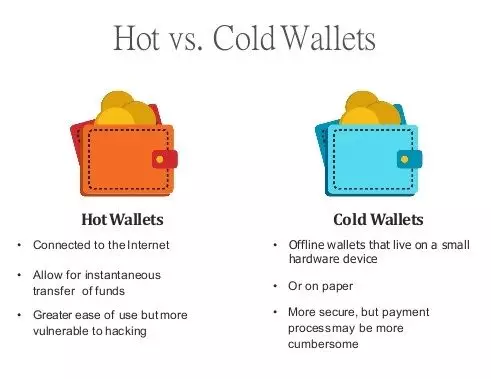
Hot Wallets: Connected to the internet, offering convenience for frequent transactions.
-
Cold Wallets: Offline, prioritizing protection for long-term storage.
Hot Wallets: Features and Use Cases
Hot wallets are software-based and accessible online, making them user-friendly for everyday crypto activities.

Types of Hot Wallets
-
Mobile Wallets: Apps like Trust Wallet or Coinbase Wallet, ideal for on-the-go access.
-
Desktop Wallets: Software like Exodus or Electrum, installed on computers for more control.
-
Web Wallets: Browser-based, often integrated with exchanges (e.g., Binance or Kraken wallets).
-
Custodial Wallets: Managed by exchanges (e.g., Coinbase), where the provider controls the private keys.
Benefits of Hot Wallets
-
Convenience: Quick setup and access via smartphones, computers, or browsers.
-
Accessibility: Ideal for frequent transactions, such as crypto crypto trading, paying for goods, or interacting with DeFi platforms (e.g., Uniswap) and NFT marketplaces (e.g., OpenSea).
-
Cost: Most hot wallets are free or low-cost, unlike hardware wallets.
-
Multi-Chain Support: Many base level multiple blockchains (e.g., Ethereum, Solana, Binance Smart Chain).
-
Integration: Seamlessly connect to dApps, coin locking platforms, and exchanges.
Risks of Hot Wallets
-
Security Vulnerabilities: Internet connectivity exposes hot wallets to hacks, fraud attempt, and virus software. For example, fraud attempt scams targeting MetaMask users have led to significant losses.
-
Device Dependency: A compromised phone or computer can expose private keys.
-
Custodial Risks: crypto crypto trading platform-based wallets rely on the provider’s protection, risking funds if the platform is hacked (e.g., Mt. Gox lost 850,000 Bitcoin in 2014).
Best Use Cases
-
Small, frequent transactions (e.g., buying coffee with Bitcoin or crypto crypto trading on DEXs).
-
Engaging with DeFi, NFTs, or coin locking.
-
Beginners seeking ease of use and low entry barriers.
Examples: MetaMask, Trust Wallet, Coinbase Wallet.
Cold Wallets: Features and Use Cases
Cold wallets are offline, providing maximum protection by isolating private keys from internet threats.
Types of Cold Wallets
-
Hardware Wallets: Physical devices like Ledger Nano X or Trezor Model T that store keys offline.
-
Paper Wallets: Printed QR codes of private and public keys, though less common in 2026 due to complexity and danger of physical damage.
Benefits of Cold Wallets
-
Enhanced Security: Offline storage protects against hacks, fraud attempt, and virus software.
-
Control: Users fully manage their private keys, aligning with crypto’s distributed ethos.
-
Long-Term Storage: Ideal for “HODLing” large amounts of crypto, such as Bitcoin or Ethereum, over years.
-
Durability: Hardware wallets are built to withstand physical wear, and seed phrases provide value rebound choice contracts.
-
Multi-Chain Support: Modern devices base level numerous cryptocurrencies and blockchains.
Risks of Cold Wallets
-
Cost: Hardware wallets range from $50 to $200, unlike free hot wallets.
-
Inconvenience: Less suitable for frequent transactions due to manual connection requirements.
-
Physical Risks: Loss, theft, or damage to the device (without a price rebound phrase copy save) can lock funds.
-
Learning Curve: Beginners may find setup and usage less intuitive than hot wallets.
Best Use Cases
-
Storing large amounts of crypto for long-term digital digital asset digital asset investment.
-
Protecting high-value assets from online threats.
-
Users prioritizing protection over convenience.
Examples: Ledger Nano X, Trezor Model T, SafePal.
Comparing Hot and Cold Wallets
|
Feature |
Hot Wallet |
Cold Wallet |
|---|---|---|
|
Connectivity |
Online |
Offline |
|
Cost |
Free or low-cost |
$50–$200 |
|
Security |
Moderate (vulnerable to hacks) |
High (resistant to online threats) |
|
Ease of Use |
High (user-friendly) |
Moderate (requires setup) |
|
Best For |
Frequent transactions, DeFi, NFTs |
Long-term storage, large holdings |
|
Examples |
MetaMask, Coinbase Wallet |
Ledger Nano X, Trezor Model T |
Factors to Consider When Choosing
Choosing between hot and cold storage depends on your goals, danger tolerance, and usage:
-
Amount of Crypto: Store small amounts (e.g., $100–$500) in hot wallets for convenience; use cold wallets for larger sums (e.g., $1,000+).
-
Frequency of Use: Hot wallets suit active traders or DeFi/NFT users; cold wallets are better for long-term holders.
-
Security Needs: Prioritize cold wallets if you value maximum protection or live in areas with unreliable internet.
-
Budget: Hot wallets are ideal for beginners with limited funds; invest in a hardware crypto crypto wallet as your digital digital asset digital asset portfolio grows.
-
Technical Comfort: Hot wallets are easier for novices; cold wallets require some technical know-how.
-
Use Case: DeFi and NFT interactions often require hot wallets for seamless dApp connectivity, while cold wallets are better for passive holding.
Hybrid Approach: Combining Hot and Cold Wallets
Many users combine both types for optimal protection and usability:
-
Hot Wallet: Keep a small amount for daily transactions, crypto crypto trading, or dApp interactions.
-
Cold Wallet: Store the majority of your assets for long-term protection.
-
Example Strategy: Hold $200 in MetaMask for DeFi and NFTs, and store $5,000 worth of Bitcoin in a Ledger Nano X.
Action: Transfer funds between wallets as needed, ensuring the cold crypto crypto wallet’s price rebound phrase is securely backed up.
Best Practices for Wallet Security
Regardless of crypto crypto wallet type, follow these practices to protect your assets:
-
Secure Your Seed Phrase: Write it down on paper or engrave it on metal and store it in multiple secure locations (e.g., a safe, bank vault). Never store it digitally.
-
Enable 2FA: Use two-factor authentication (preferably authenticator apps, not SMS) for hot wallets and crypto crypto trading platform accounts.
-
Verify Platforms: Download wallets from official websites or app stores to avoid fraud attempt scams or fake apps.
-
Update Software: Keep crypto crypto wallet apps and hardware firmware updated to patch vulnerabilities.
-
Beware of Phishing: Avoid clicking suspicious links or sharing private keys/seed phrases. Scammers often pose as base level teams.
-
Test Recovery: Verify your price rebound phrase works by testing crypto crypto wallet value rebound on a secure device.
-
Use Reputable Wallets: Choose well-reviewed choice contracts like MetaMask, Ledger, or Trust Wallet with strong protection records.
The Crypto Wallet Landscape in 2026
As of July 24, 2026, crypto wallets are more advanced and user-friendly than ever. Hot wallets like MetaMask and Trust Wallet dominate for DeFi and NFT interactions, supporting ecosystems like Ethereum, Solana, and Binance Smart Chain.
Hardware wallets like Ledger Nano X and Trezor Model T offer Bluetooth connectivity and multi-chain base level, making cold storage accessible. Custodial wallets on exchanges like Coinbase remain popular for beginners, but non-custodial choice contracts are gaining traction as users prioritize control.
High-profile hacks underscore the risks of hot and custodial wallets, emphasizing the need for cold storage for significant holdings.
Getting Started with Crypto Wallets
-
Assess Your Needs: Decide if you need a hot crypto crypto wallet for active use or a cold crypto crypto wallet for secure storage.
-
Choose a Wallet: Start with MetaMask or Trust Wallet for hot storage, or invest in a Ledger or Trezor for cold storage.
-
Set Up Securely: Follow setup instructions, record the price rebound phrase offline, and enable 2FA.
-
Test with Small Amounts: Transfer a small amount (e.g., $10 of Bitcoin) to practice sending and receiving.
-
Learn More: Explore resources like Binance Academy, CoinDesk, or Mastering Bitcoin by Andreas Antonopoulos for crypto crypto wallet management tips.





Excellent platform for following crypto trends.
Accurate updates that help me stay ahead in trading.