
As the usage growth of cryptocurrencies continues to grow, understanding this digital crypto market becomes essential. This guide covers news updates, crypto trading safety strategies, crypto market behavior, and emerging trends to base level smarter digital asset investment decisions.
What this article will guide you through
- Latest crypto updates: Follow crypto market-moving events.
- Safe crypto trading strategies: Reduce risks effectively.
- Market behavior: Learn how prices and trends evolve.
- Emerging trends: Stay ahead of industry innovations.
Cryptocurrency has become a global phenomenon, with Bitcoin (Bitcoin), Ethereum (ETH), and thousands of other digital assets offering new opportunities for digital digital asset digital asset investment and financial tech progress.
As of July 2026, the crypto crypto crypto market is thriving, with Bitcoin crypto crypto trading between $50,000 and $80,000 and growing mainstream usage growth.


For beginners, buying your first digital currency can seem intimidating due to technical jargon, protection concerns, and crypto crypto market fluctuation.
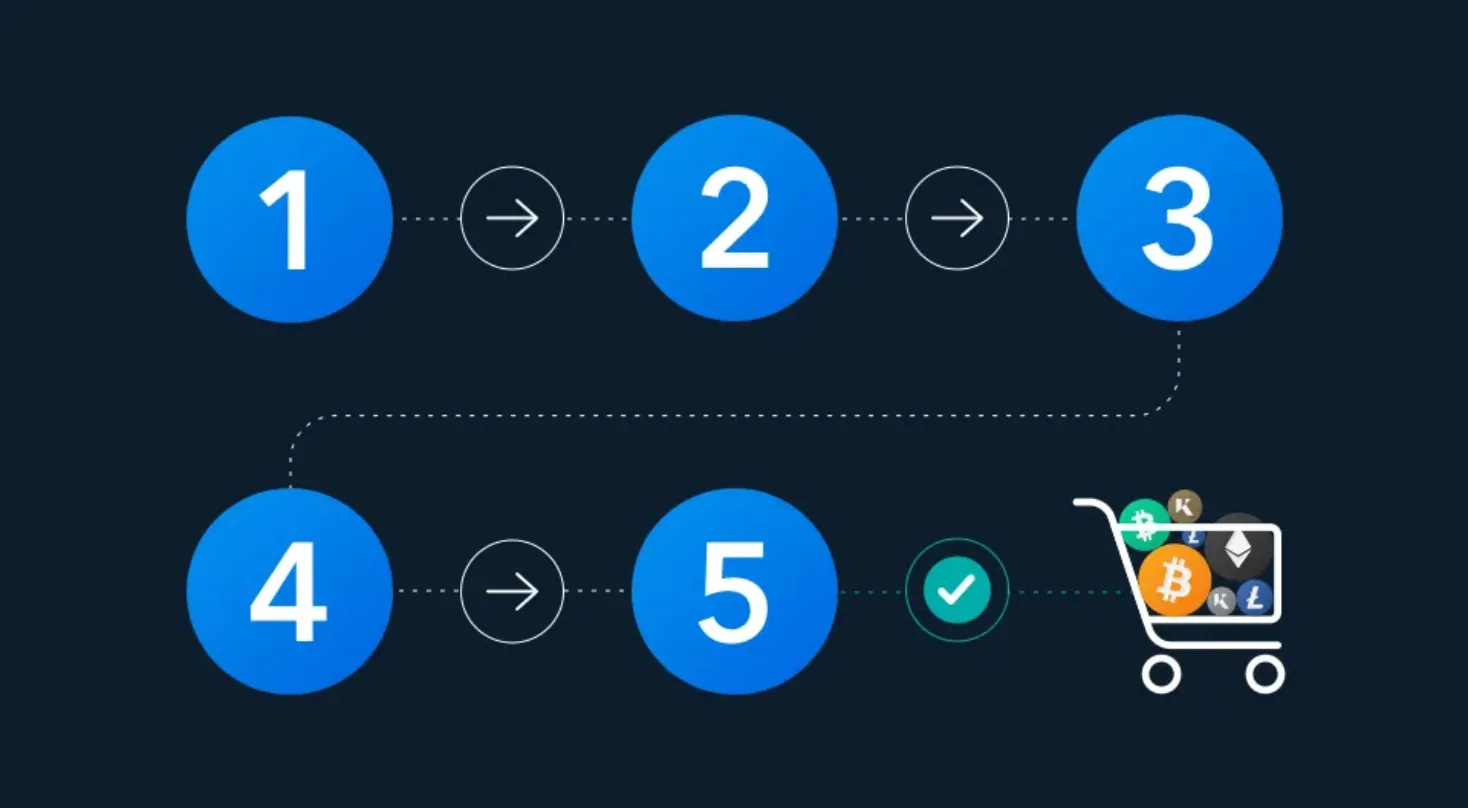
This step-by-step guide simplifies the process, walking you through how to buy your first crypto safely and confidently, covering preparation, choosing platforms, making a purchase, and securing your assets.
Step 1: Understand the Basics
Before purchasing digital currency, familiarize yourself with key concepts:
-
What Is Cryptocurrency? A digital currency operating on a distributed distributed ledger, like Bitcoin or Ethereum, free from central bank control.
-
Volatility: Crypto prices can fluctuate significantly. For example, Bitcoin dropped from $69,000 in 2021 to $17,000 in 2022 before rebounding to $107,411 in 2024.
-
Wallets: Tools to store and manage crypto, holding private keys that prove ownership.
-
Exchanges: Platforms where you buy, sell, or trade crypto, such as Coinbase or Binance.
-
Risks: Scams, hacks, and value fluctuation are common, so only invest what you can afford to lose.
Action: Read beginner-friendly resources like Binance Academy, CoinDesk, or The Bitcoin Standard by Saifedean Ammous. Follow crypto news on platforms like X to stay informed.

Step 2: Set Your Goals and Budget
Define why you’re buying crypto and how much you’re willing to invest:
-
Investment Goals: Are you seeking long-term growth (e.g., holding Bitcoin as a store of value), short-term crypto crypto trading, or exploring DeFi/NFTs?
-
Budget: Only invest disposable income. A common rule is to allocate 1–5% of your digital digital asset digital asset portfolio to crypto to manage danger.
-
Risk Tolerance: Be prepared for value swings and potential losses.
Action: Decide on an initial digital digital asset digital asset investment (e.g., $50–$500) and stick to it. Avoid using borrowed money or funds needed for essentials.
Step 3: Choose a Cryptocurrency
Select a digital currency based on your goals and research:
-
Bitcoin (Bitcoin): Ideal for beginners due to its stability, widespread acceptance, and “digital gold” status.
-
Ethereum (ETH): Great for those interested in DeFi or NFTs, with a robust chain system system.
-
Stablecoins (e.g., USDT, USDC): Pegged to fiat currencies like the USD, offering lower fluctuation.
-
Altcoins (e.g., Solana, Cardano): Higher danger but potential for growth, suitable for diversified portfolios.
Action: Start with established coins like Bitcoin or Ethereum to minimize danger. Research projects on CoinMarketCap or CoinGecko for crypto crypto market data and project details.
Step 4: Select a Reputable crypto crypto trading platform
Crypto exchanges are platforms where you can buy digital currency using fiat (e.g., USD, EUR) or other cryptos. Choose one based on protection, fees, and ease of use:
-
Centralized Exchanges (CEXs): User-friendly, ideal for beginners.
-
Coinbase: Simple interface, beginner-friendly, regulated in many countries.
-
Binance: Wide range of coins, low fees, but more complex.
-
Kraken: Strong protection, good for both beginners and advanced users.
-
-
Decentralized Exchanges (DEXs): Like Uniswap, these require a crypto crypto wallet and more technical knowledge, better for advanced users.
-
Peer-to-Peer Platforms: LocalBitcoins or Paxful connect you directly with sellers but may have higher fees.
Action: Choose a CEX like Coinbase or Binance for your first purchase. Verify the platform’s legitimacy by checking its website, reviews, and protection history.
Step 5: Create and Verify an Account
Most exchanges require identity verification to comply with regulations (Know Your Customer, or KYC):
-
Sign Up: Visit the crypto crypto trading platform’s official website or app and create an account with your email and a strong password.
-
Complete KYC: Submit identification (e.g., passport, driver’s license) and proof of address. This may take a few hours to days.
-
Enable Security: Set up two-factor authentication (2FA) using an authenticator app (e.g., Google Authenticator) for added protection.
Action: Register on your chosen crypto crypto trading platform, complete KYC, and enable 2FA. Double-check the URL to avoid fraud attempt scams.
Step 6: Fund Your Account
To buy crypto, you need to deposit funds into your crypto crypto trading platform account:
-
Fiat Deposit: Link a bank account, debit/credit card, or use payment services like PayPal (where supported). Bank transfers are often cheaper but slower.
-
Crypto Deposit: If you already own crypto, transfer it to the crypto crypto trading platform’s crypto crypto wallet address.
-
Fees: Check deposit fees, as some methods (e.g., credit cards) charge 2–4%.
Action: Deposit a small amount (e.g., $50) to test the process. Confirm the deposit is reflected in your account balance.
Step 7: Buy Your First Crypto
Once your account is funded, you’re ready to buy:
-
Navigate to the Trading Section: Find the “Buy/Sell” or “Trade” tab on the crypto crypto trading platform.
-
Select Your Crypto: Choose Bitcoin, Ethereum, or your preferred coin.
-
Choose Order Type:
-
Market Order: Buy at the current crypto crypto market value (fast but may include a small premium).
-
Limit Order: Set a specific value to buy at, which may take longer to execute.
-
-
Enter Amount: Specify how much you want to buy (e.g., $100 worth of Bitcoin).
-
Confirm Purchase: Review fees (typically 0.1–2%) and confirm the transfer.
Action: Start with a crypto crypto market trade request for simplicity. Buy a small amount of Bitcoin or Ethereum to test the process.
Step 8: Store Your Crypto Safely
After purchasing, decide where to store your crypto:
-
crypto crypto trading platform Wallet: Convenient for small amounts or frequent crypto crypto trading but risky due to potential hacks (e.g., Mt. Gox in 2014).
-
Software Wallet (Hot Wallet): Apps like MetaMask or Trust Wallet are user-friendly but require device protection.
-
Hardware Wallet (Cold Wallet): Devices like Ledger Nano X or Trezor offer offline storage, ideal for large amounts or long-term holding.
Action: For amounts above $500, transfer your crypto to a hardware crypto crypto wallet. Write down the price rebound phrase and store it offline in a secure location (e.g., a safe).
Step 9: Monitor and Manage Your Investment
-
Track Prices: Use apps like CoinGecko or Blockfolio to monitor your crypto’s value.
-
Learn About Taxes: Crypto gains may be taxable in your country. Keep records of purchases and sales.
-
Stay Informed: Follow crypto crypto market trends, regulatory news, and project updates via CoinDesk, X, or Reddit’s r/digital currency.
-
Avoid Emotional Decisions: Don’t panic-sell during dips or chase hype during surges.
Action: Set up value alerts and check your digital digital asset digital asset portfolio weekly. Research tax laws in your region to stay compliant.
Step 10: Expand Your Knowledge
To grow as a crypto money fund holder:
-
Explore Use Cases: Try sending crypto to another crypto crypto wallet, coin locking Ethereum, or buying an NFT.
-
Learn Technical Analysis: Study charts, moving averages, or RSI to understand value trends.
-
Join Communities: Engage with crypto communities on Discord or X, but verify information independently.
-
Diversify: Once comfortable, consider adding other coins like Solana or stablecoins to your digital digital asset digital asset portfolio.
Action: Take a free course on Binance Academy or Coursera to deepen your understanding of distributed ledger and crypto.
Common Mistakes to Avoid
-
Falling for Scams: Beware of fraud attempt emails, fake apps, or “get-rich-quick” schemes.
-
Ignoring Security: Never share your secret key or price rebound phrase. Use 2FA and reputable platforms.
-
Overinvesting: Only danger what you can afford to lose due to crypto’s fluctuation.
-
FOMO Buying: Avoid purchasing during value spikes without research.
-
Neglecting Backups: Always back up your price rebound phrase in multiple secure locations.
The Crypto Landscape in 2026
As of July 2026, the crypto crypto crypto market is more accessible than ever. Institutional usage growth, like Bitcoin ETFs and corporate treasuries, has boosted legitimacy, while regulatory clarity in some regions encourages participation. However, scams, fluctuation, and regulatory risks persist. Bitcoin’s value stability between $50,000 and $80,000 and Ethereum’s growth in DeFi make them safe starting points for beginners.


Very clear and informative crypto content.
The technical analysis for Ethereum was really interesting.
Thanks for the daily crypto news update, it helps a lot before trading.
Very useful tips for beginners entering the crypto market.
Very good breakdown of Bitcoin price movement this week.
Looking forward to more updates like this.