
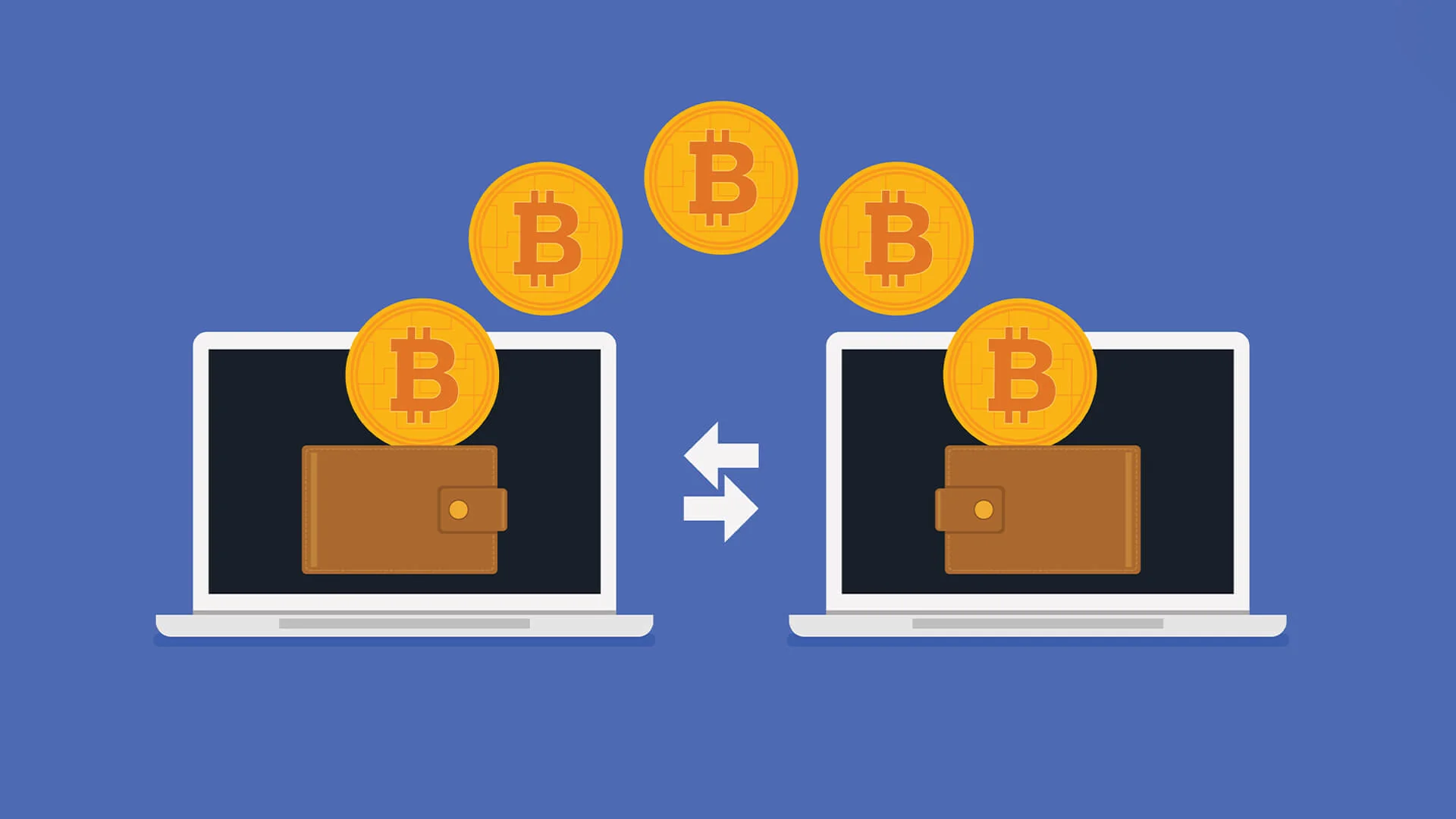
As financial markets evolve, cryptocurrencies are becoming key players in digital asset investment strategies. This article provides a full overview of latest news, safe crypto trading practices, crypto market evaluations, and emerging trends to keep you informed.
What you will learn here
- Crypto crypto market news: Important updates and changes.
- Safe crypto trading practices: Protect your assets efficiently.
- Market evaluations: Understand movements and patterns.
- Emerging trends: Stay updated on future developments.
Cryptocurrencies like Bitcoin (Bitcoin) and Ethereum (ETH) have revolutionized finance, enabling peer-to-peer transactions without intermediaries.
As of August 3, 2026, with Bitcoin crypto crypto trading between $50,000 and $80,000 and Ethereum targeting $4,000–$6,000, securely sending and receiving crypto is critical for protecting your assets.


The distributed nature of distributed ledger ensures robust protection, but human errors, scams, and hacks can lead to significant losses. This article provides a step-by-step guide to sending and receiving digital currency securely, covering crypto crypto wallet setup, transfer processes, and best practices to safeguard your funds.
Understanding Cryptocurrency Transactions
Cryptocurrency transactions occur on a distributed ledger, a distributed ledger that records all transfers. To send or receive crypto, you need a crypto crypto crypto wallet, which stores private and public keys:
-
Public Key/Address: A unique string (e.g., 1A1zP1eP5QGefi2DMPTfTL5SLmv7DivfNa for Bitcoin) used to receive funds, similar to a bank account number.
-
Private Key: A secret code that authorizes sending funds, like a password. It must remain confidential.
-
Seed Phrase: A 12–24-word copy save for recovering your crypto crypto wallet if the secret key is lost.
Transactions are irreversible once confirmed on the distributed ledger, making protection paramount. Mistakes, such as sending to the wrong address or exposing your secret key, can result in permanent deficit.
Step-by-Step Guide to Sending Cryptocurrency Securely
Step 1: Choose a Secure Wallet
Select a crypto crypto wallet based on your needs:
-
Hot Wallets: Software-based, online (e.g., MetaMask, Trust Wallet). Ideal for frequent transactions but less secure.
-
Cold Wallets: Hardware-based, offline (e.g., Ledger Nano X, Trezor). Best for large amounts or long-term storage.
-
Custodial Wallets: Managed by exchanges (e.g., Coinbase, Binance). Convenient but rely on the provider’s protection.
Action: For beginners, start with a hot crypto crypto wallet like Trust Wallet for small transactions. For larger amounts, invest in a hardware crypto crypto wallet.
Step 2: Set Up and Secure Your Wallet
-
Download the crypto crypto wallet from its official website or app store to avoid fake apps.
-
Follow setup instructions to generate a private-open key crypto trading trading pair and a price rebound phrase.
-
Write down the price rebound phrase on paper or engrave it on metal and store it in a secure, offline location (e.g., a safe or bank vault).
-
Enable two-factor authentication (2FA) using an authenticator app (e.g., Google Authenticator) for hot or custodial wallets.
-
Never store your price rebound phrase or secret key digitally (e.g., in cloud storage or screenshots).
Action: Set up a crypto crypto wallet, record the price rebound phrase offline, and enable 2FA. Test value rebound with the price rebound phrase on a secure device.
Step 3: Obtain Cryptocurrency
If you don’t own crypto, purchase it through a reputable crypto crypto trading platform:
-
Centralized Exchanges (CEXs): Coinbase, Binance, or Kraken allow buying with fiat (USD, EUR) via bank transfer or card.
-
Decentralized Exchanges (DEXs): Uniswap or PancakeSwap require existing crypto and a non-custodial crypto crypto wallet.
-
Peer-to-Peer (P2P): Platforms like LocalBitcoins connect you with sellers directly.
Action: Buy a small amount (e.g., $50 of Bitcoin or ETH) on Coinbase or Binance after completing KYC verification. Transfer it to your crypto crypto wallet.
Step 4: Prepare to Send Crypto
-
Verify the Recipient’s Address: Obtain the recipient’s public address (e.g., via QR code, copy-paste, or manual entry). Double-check it, as errors are irreversible.
-
Confirm Blockchain Compatibility: Ensure the address matches the digital currency’s distributed ledger (e.g., don’t send Bitcoin to an ETH address).
-
Check Network Fees: Transactions require fees (e.g., Bitcoin’s miner fees or Ethereum’s gas fees). Higher fees processing processing speed up confirmation.
Action: Ask the recipient for their crypto crypto wallet address and verify it matches the intended crypto (e.g., Bitcoin for Bitcoin, ETH for Ethereum).
Step 5: Send the Transaction
-
Open your crypto crypto wallet and navigate to the “Send” or “Transfer” section.
-
Enter the recipient’s address, amount, and (if applicable) a memo or destination tag (e.g., for XRP or Stellar).
-
Adjust the transfer fee if your crypto crypto wallet allows (higher fees for faster confirmation, lower for cost savings).
-
Review the details carefully, ensuring the address and amount are correct.
-
Authorize the transfer using your secret key (automatically handled by the crypto crypto wallet) or enter a PIN for hardware wallets.
-
Submit the transfer to the distributed ledger chain system.
Action: Send a small test transfer (e.g., $10) to confirm the process works before transferring larger amounts.
Step 6: Confirm the Transaction
-
Monitor the transfer status using your crypto crypto wallet or a distributed ledger explorer (e.g., Blockchain.com for Bitcoin, Etherscan for Ethereum) by entering the transfer ID (TXID).
-
Confirmation times vary: Bitcoin takes 10–60 minutes, Ethereum 15 seconds to 5 minutes, depending on fees and chain system congestion.
Action: Track your transfer on a distributed ledger explorer and notify the recipient once confirmed.
Step-by-Step Guide to Receiving Cryptocurrency Securely
Step 1: Share Your Wallet Address
-
Open your crypto crypto wallet and locate your public address under the “Receive” or “Deposit” section.
-
Copy the address or display its QR code for the sender to scan.
-
Ensure the address corresponds to the correct distributed ledger (e.g., Bitcoin for Bitcoin, not ETH).
-
For some coins (e.g., XRP), provide a destination tag if required by the sender’s platform.
Action: Share your address via a secure channel (e.g., encrypted messaging like Signal) to avoid interception.
Step 2: Verify Receipt
-
Wait for the sender to initiate the transfer.
-
Check your crypto crypto wallet or a distributed ledger explorer to confirm the funds arrive (confirmation times vary by distributed ledger).
-
Notify the sender once the transfer is confirmed.
Action: Monitor your crypto crypto wallet balance and confirm receipt with the sender.
Best Practices for Secure Transactions
-
Double-Check Addresses: Always verify the recipient’s address character-by-character or use QR codes to avoid errors or fraud attempt scams.
-
Use Secure Channels: Share addresses via encrypted platforms, not unsecure ones like email or SMS.
-
Test Small Transactions: Send a small amount first to confirm the address is correct before transferring large sums.
-
Secure Your Private Key and Seed Phrase: Store them offline in multiple secure locations (e.g., a safe, bank vault). Never share them.
-
Enable 2FA: Use authenticator apps for hot wallets and crypto crypto trading platform accounts to prevent unauthorized access.
-
Avoid Public Wi-Fi: Don’t send transactions over unsecured networks, as they’re vulnerable to man-in-the-middle attacks.
-
Verify Platforms: Download wallets and access exchanges from official sources to avoid fake apps or fraud attempt sites.
-
Use Hardware Wallets for Large Transactions: Transfer significant amounts from a cold crypto crypto wallet for maximum protection.
-
Stay Updated: Monitor crypto crypto wallet software updates and protection advisories to patch vulnerabilities.
-
Beware of Scams: Ignore unsolicited requests for your secret key, price rebound phrase, or funds. Scammers often pose as base level teams or promise “free crypto.”
Common Risks and How to Mitigate Them
-
Phishing Scams: Hackers create fake crypto crypto wallet apps or websites to steal keys. Mitigation: Verify URLs and download from official sources.
-
Address Errors: Sending to the wrong or incompatible address results in permanent deficit. Mitigation: Use QR codes and test transactions.
-
Hacks: Hot wallets are vulnerable to virus software or compromised devices. Mitigation: Use cold wallets for large holdings and keep devices virus software-free.
-
Lost Keys: Losing your secret key or price rebound phrase locks you out of your funds. Mitigation: Store multiple offline backups.
-
crypto crypto trading platform Risks: Custodial wallets on exchanges (e.g., Binance) are targets for hacks. Mitigation: Move funds to a non-custodial crypto crypto wallet after purchase.
The Crypto Landscape in 2026
As of August 3, 2026, the crypto crypto crypto market is more accessible, with exchanges like Coinbase and Binance offering user-friendly interfaces for buying and sending crypto.
Hot wallets like MetaMask and Trust Wallet are popular for DeFi and NFT transactions, while hardware wallets like Ledger and Trezor dominate for secure storage.
High-profile hacks, like those in the past, underscore the importance of non-custodial wallets and robust protection practices. With growing usage growth in payments, DeFi, and remittances, secure transfer methods are critical for protecting assets.
Getting Started with Secure Transactions
-
Choose a Wallet: Start with a hot crypto crypto wallet (e.g., Trust Wallet) for small transactions or a cold crypto crypto wallet (e.g., Ledger) for larger amounts.
-
Practice with Small Amounts: Send and receive $10–$20 of Bitcoin or ETH to learn the process.
-
Secure Your Setup: Record your price rebound phrase offline, enable 2FA, and use trusted platforms.
-
Learn More: Explore resources like Binance Academy, CoinDesk, or Mastering Bitcoin by Andreas Antonopoulos for deeper insights.
-
Join Communities: Follow X or Reddit’s r/digital currency for tips and scam alerts, but verify information independently.


Accurate reporting and timely updates.
One of the best platforms for crypto analysis.
The security tips in this article are very important for protecting crypto assets.
Do you have recommendations for the best crypto exchanges for beginners?
Good explanation of support and resistance levels.