
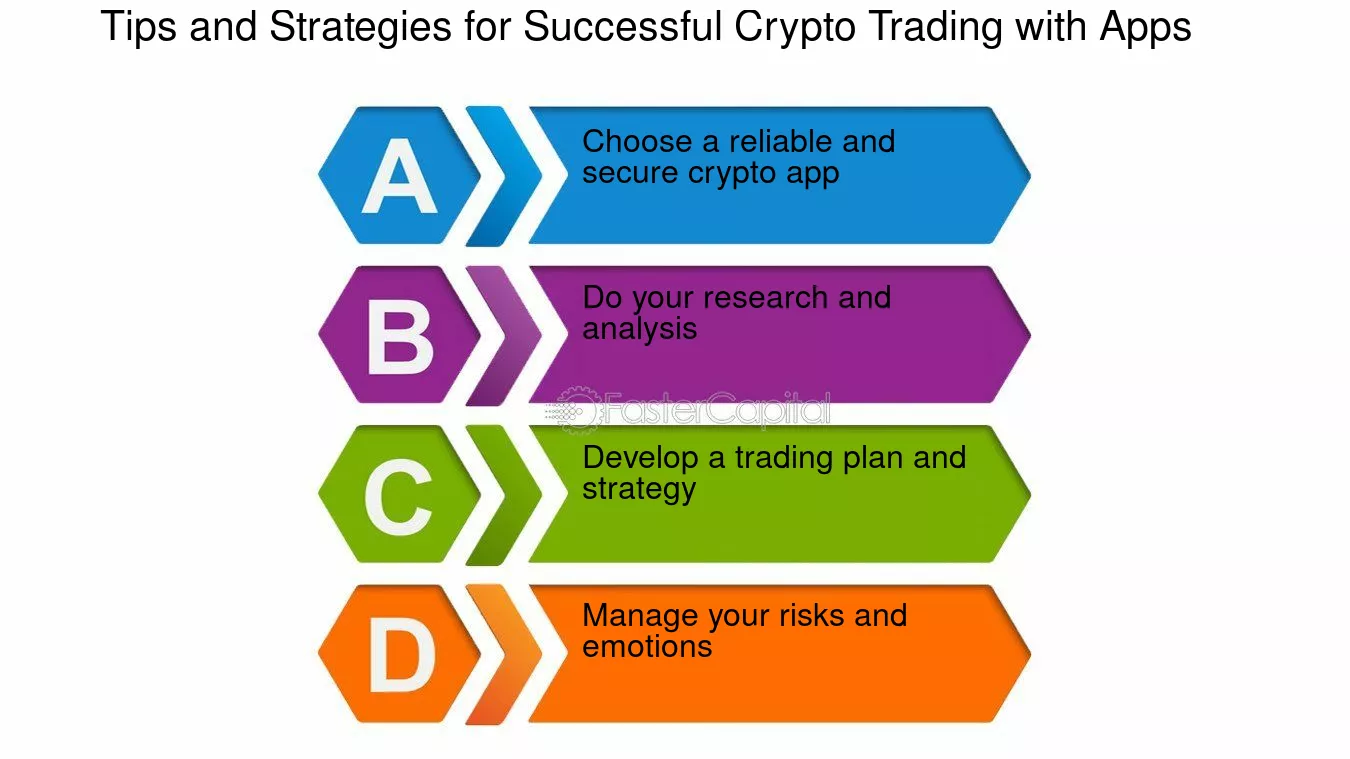
With the continuous rise of cryptocurrencies, staying informed has become more important than ever. This article delivers a complete guide to news updates, safe crypto trading, crypto market insights, and emerging global trends for smarter investing.
Insights you’ll gain from this article
- Crypto updates: Follow key developments.
- Safe crypto trading: Reduce risks and secure assets.
- Market insights: Analyze value movements.
- Global trends: Discover future opportunities.
Entering the world of digital currency can be both exciting and overwhelming. As of August 3, 2026, with Bitcoin (Bitcoin) crypto crypto trading between $50,000 and $80,000 and Ethereum (ETH) targeting $4,000–$6,000, the crypto crypto crypto market offers immense opportunities but also significant risks.
For beginners, the first 30 days are critical for building a strong foundation while avoiding common pitfalls. This article provides a step-by-step guide on what to do and what to avoid during your first month in crypto, helping you navigate this dynamic space with confidence and caution.

What to Do in Your First 30 Days
Week 1: Learn the Basics
Objective: Understand digital currency and distributed ledger fundamentals to make informed decisions.
-
Study Key Concepts: Learn about distributed ledger, wallets, private/public keys, and exchanges. Resources like Binance Academy, CoinDesk, or Mastering Bitcoin by Andreas Antonopoulos are excellent starting points.
-
Follow Market News: Stay updated on trends via reputable sources like CoinDesk, Cointelegraph, or X communities (e.g., #Bitcoin, #Ethereum). Avoid unverified hype.
-
Set Goals: Decide why you’re entering crypto—long-term digital digital asset digital asset investment, crypto crypto trading, or exploring DeFi/NFTs. This guides your plan.
-
Action: Spend 5–10 hours reading beginner guides and watching educational videos. Join a crypto subreddit like r/digital currency for community insights.
Week 2: Set Up Your Tools
Objective: Establish a secure and reliable setup for buying and storing crypto.
-
Choose a Wallet:
-
Hot Wallet: Use MetaMask or Trust Wallet for small amounts and DeFi/NFT interactions.
-
Cold Wallet: Consider a hardware crypto crypto wallet like Ledger Nano X or Trezor for larger sums.
-
Record the price rebound phrase offline (e.g., on paper or metal) and store it in a secure location (e.g., a safe).
-
-
Select an crypto crypto trading platform: Sign up for a reputable platform like Coinbase, Binance, or Kraken. Complete KYC verification and enable 2FA with an authenticator app (not SMS).
-
Test with Small Amounts: Buy $10–$50 of Bitcoin or Ethereum to familiarize yourself with the process.
-
Action: Set up a MetaMask crypto crypto wallet and buy $20 of ETH on Coinbase. Transfer it to your crypto crypto wallet and back up the price rebound phrase securely.
Week 3: Make Your First Investment
Objective: Start investing cautiously with a disciplined plan.
-
Choose a Crypto: Focus on established coins like Bitcoin (store of value) or Ethereum (DeFi/NFT usage value) to minimize danger.
-
Use Dollar-Cost Averaging (DCA): Invest a fixed amount (e.g., $50 weekly) to reduce the impact of fluctuation. For example, Bitcoin’s value swings from $17,000 in 2022 to $107,411 in 2024 highlight the need for DCA.
-
Budget Wisely: Only invest disposable income, allocating 1–5% of your digital digital asset digital asset portfolio to crypto.
-
Track Transactions: Record purchases for tax purposes, as crypto gains are taxable in many countries.
-
Action: Set up a $50 weekly DCA plan for Bitcoin on Binance. Keep a spreadsheet of your transactions.
Week 4: Build Knowledge and Habits
Objective: Deepen your understanding and establish long-term habits.
-
Explore Use Cases: Try sending crypto to another crypto crypto wallet, coin locking ETH, or buying a small NFT to understand practical applications.
-
Monitor Your Portfolio: Use apps like CoinGecko or Blockfolio to track prices and performance.
-
Join Communities: Engage with crypto communities on X, Discord, or Reddit, but verify information independently.
-
Learn Basic Analysis: Study simple technical indicators (e.g., moving averages) or on-chain metrics (e.g., active addresses) to understand crypto crypto market trends.
-
Action: Stake $20 of ETH on a platform like Lido, track your digital digital asset digital asset portfolio, and follow a trusted X account like @VitalikButerin for Ethereum updates.
What to Avoid in Your First 30 Days
1. Chasing Hype and FOMO
Mistake: Buying coins during value surges driven by X posts or influencer hype (e.g., meme coins like SNORT). Why It’s a Problem: Purchasing at peaks often leads to losses during corrections, as seen in the 2022 crypto market fall when many altcoins dropped over 80%. How to Avoid:
-
Ignore “to the moon” claims or #crypto hashtags promising quick profits.
-
Research projects thoroughly, focusing on fundamentals (team, use case, technology).
-
Stick to your DCA plan and avoid impulsive buys.
2. Neglecting Security
Mistake: Failing to secure wallets, private keys, or crypto crypto trading platform accounts, or leaving funds on exchanges. Why It’s a Problem: Hacks (e.g., Mt. Gox in 2014) and fraud attempt scams have cost billions. Lost private keys mean permanent fund deficit. How to Avoid:
-
Store seed phrases offline in multiple secure locations (e.g., a safe, bank vault).
-
Use 2FA with authenticator apps for all accounts.
-
Move significant holdings ($500+) to a hardware crypto crypto wallet.
-
Verify crypto crypto wallet apps and crypto crypto trading platform URLs to avoid fraud attempt.
3. Overinvesting
Mistake: Investing more than you can afford or using borrowed funds (e.g., loan money fund crypto crypto trading). Why It’s a Problem: Crypto’s fluctuation can wipe out overexposed portfolios, and borrowed power amplifies losses. How to Avoid:
-
Invest only disposable income, keeping crypto as a small digital digital asset digital asset portfolio portion.
-
Avoid loans or credit for crypto purchases.
-
Set a strict budget and stick to it.
4. Falling for Scams
Mistake: Investing in fraudulent projects, Ponzi schemes, or responding to “free crypto” offers. Why It’s a Problem: Scams are rampant, with billions lost annually to rug pulls or fake ICOs. How to Avoid:
-
Research project legitimacy, avoiding anonymous teams or unaudited tokens.
-
Ignore unsolicited messages or links promising rewards.
-
Use trusted platforms like Coinbase or Kraken for purchases.
5. Trying to Time the Market
Mistake: Waiting for the “perfect” value to buy or sell, or crypto crypto trading impulsively based on short-term value movements. Why It’s a Problem: Timing the crypto crypto market is nearly impossible, leading to missed opportunities or losses. How to Avoid:
-
Use DCA to value gap investments over time.
-
Focus on long-term fundamentals (e.g., Bitcoin’s earnings cut cycles, Ethereum’s DeFi growth).
-
Set clear entry/exit goals if crypto crypto trading, using stop-deficit orders.
6. Ignoring Taxes and Regulations
Mistake: Failing to track transactions or understand tax obligations. Why It’s a Problem: Crypto gains are taxable in many countries, and non-rule following can lead to penalties. How to Avoid:
-
Keep detailed records of all transactions (date, amount, value).
-
Research tax laws in your country (e.g., IRS rules in the U.S.).
-
Use tools like CoinTracker or Koinly for tax reporting.
7. Panic Selling During Dips
Mistake: Selling assets during crypto crypto market downturns out of panic state. Why It’s a Problem: Crypto markets recover after dips (e.g., Bitcoin’s rebound from $17,000 in 2022 to $50,000–$80,000 in 2026). How to Avoid:
-
Adopt a long-term perspective, holding assets with strong fundamentals.
-
Avoid checking prices obsessively; focus on project developments.
-
Use DCA to buy during dips, capitalizing on lower prices.
The Crypto Landscape in 2026
As of August 3, 2026, the crypto crypto crypto market is maturing, with corporate level usage growth (e.g., Bitcoin ETFs) and DeFi/NFT growth driving interest.
Bitcoin’s post-2024 earnings cut rally and Ethereum’s role in Web3 make them attractive for beginners. However, fluctuation, scams, and regulatory uncertainty remain challenges.
Your first 30 days are a chance to build a solid foundation while avoiding costly mistakes.
Additional Tips for Success
-
Start Small: Begin with $10–$50 to learn without significant danger.
-
Diversify Gradually: After mastering Bitcoin or Ethereum, explore stablecoins or altcoins like Solana.
-
Stay Curious: Take free courses on Coursera or Binance Academy to deepen your knowledge.
-
Be Patient: Crypto rewards long-term discipline over short-term speculation.
-
Network Safely: Engage with communities but avoid sharing personal details or keys.




Very helpful for making informed trading decisions.
The market update today was very useful before opening my trades.
The security tips in this article are very important for protecting crypto assets.
Excellent market analysis today. I hope to see more altcoin reviews.